“Learning is not a single event—it’s the system that powers how your organization performs. Design it for outcomes, and capability becomes your competitive edge.” — Mateland Mayes
In a fast-changing work landscape, the organizations that thrive are the ones that learn faster than the pace of change. This makes L&D not just a talent function—but a CEO-level business priority.
Hybrid work has reshaped how people learn. Modern blended learning is intentional, flexible, scalable, and human-centered—balancing digital access with meaningful interaction.
Learning and Development (L&D) is no longer just a provider of training—it is a strategic engine for organizational capability, culture, and performance. To succeed in today’s environment, business strategy and workforce capability must be developed in partnership, not in isolation.
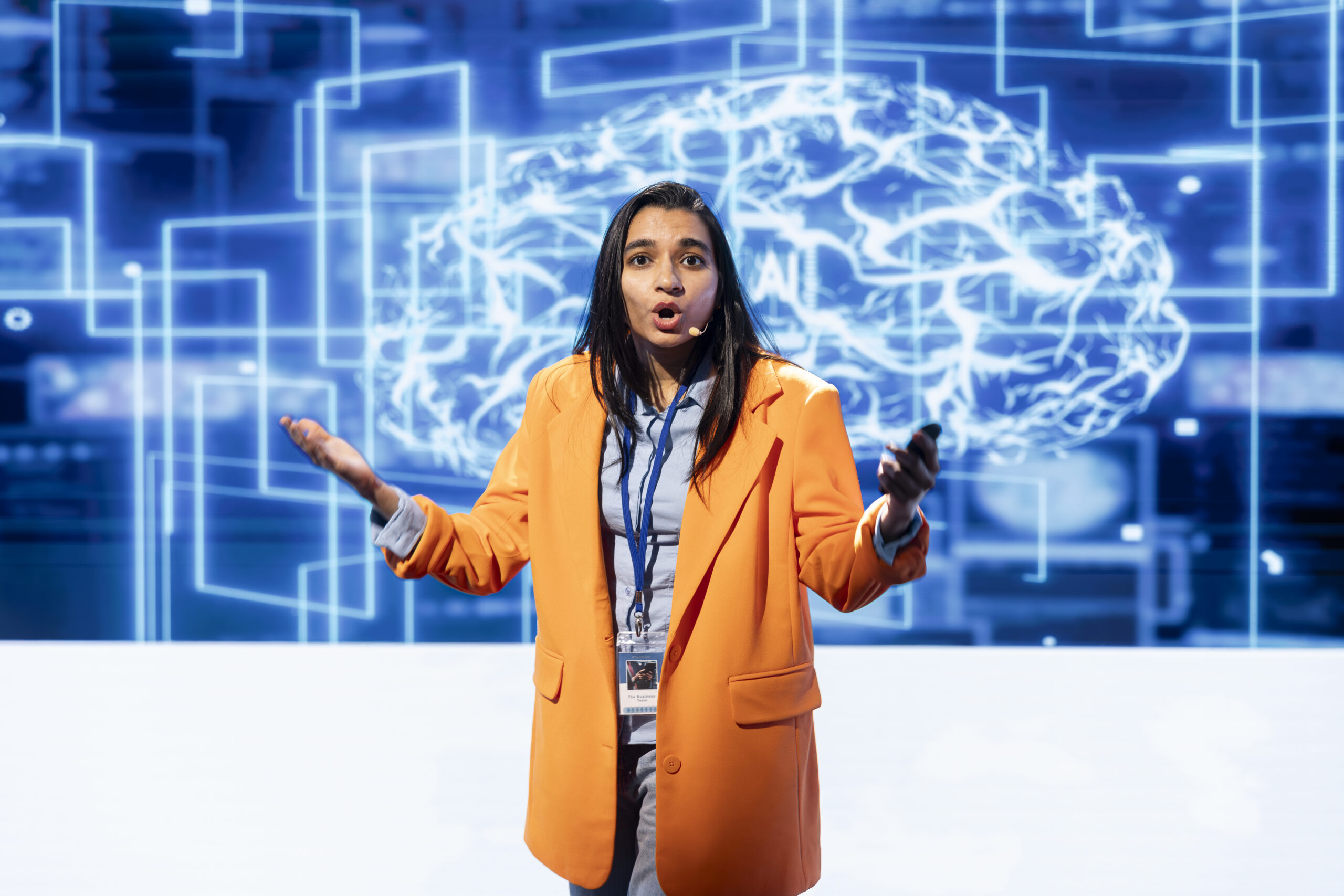
For years, the conversation around artificial intelligence in Learning and Development (L&D) has been dominated by fear: Will AI replace trainers? Will instructional designers become obsolete?